Preparing your planning application
A well-drafted planning application is key to securing approval for your works.
Here is what you need to consider:
1. Opt for pre-application advice
It is a really good idea to speak with your planning authority before submitting an application.
Pre-app advice can identify potential issues early, saving time and avoiding any costly revisions and nasty surprises!
2. Include the right documents
It goes without saying, but please make sure you have everything prepared that you need to that is specific to your scheme.
Applications will generally require:
-Architectural drawings showing the layout and any external changes and a site plan, showing the site, garden and surrounding properties.
-A design and access statement explaining the purpose, use and impact of your works.
-Reports from a structural engineer confirming that the design is structurally stable.
-Drainage, waterproofing and flood risk assessments.
-Construction method statements detailing how works will be managed safely and efficiently.
-CMP (Construction Management Plan) – Detailing how the work will be carried out and things that will be considered as part of the build. This can sometimes be requested in the planning application or as a pre-start condition.
3. Work with the right professional
It goes without saying but working with the right professional is key to success; opt for someone who has carried out these types of projects before.
They will have the expertise to guide you through your build and ensure it is compliant with planning regulations and building regulations. This includes key considerations such as mechanical ventilation, damp proofing and natural light.
4. Manage neighbour relations
Speak with your neighbours early on and give them a heads up about the works or even carry out a neighbour consultation as part of the planning process. This can help mitiagte or reduce the number of objections an applicaiton recieves if the neighbours feel like they’ve been listened to.
This can really work in your favour as they may be less likely to object to your application and it will help demonstate that you’ve considered the impact of your works, especially in densely populated areas.
Design considerations
A good design is crucial to ensuring your basement conversion works functionally and is comfortable while also being compliant with regulations. Here are some things to consider:
Maximising natural light
Light wells, glazing and well-situated windows can bring in natural light into the basement. This will make it feel more spacious and comfortable to be in.
Authorities will also often consider natural light when assessing the impact of proposed works.
Ventilation and comfort
Your design should consider proper mechanical ventilation to make sure the space doesn’t get damp, humidity is controlled and air quality is maintained.
Combining this with damp proofing will ensure that the space could be suitable for living space.
Spatial planning and layout
The layout of the proposal should be carefully considered to ensure that it is fit for function.
Plan the rooms carefully to ensure the basement has functional rooms and comfortable accommodation for living or working.
If the space is being used for bedrooms, living areas, a gym or a home office, it is key that there is a decent ceiling height and that structural constraints and access has been thought about.
Interior design and finishes
Let’s face it – if you’re spending money on these works you will want it to look nice as well as function!
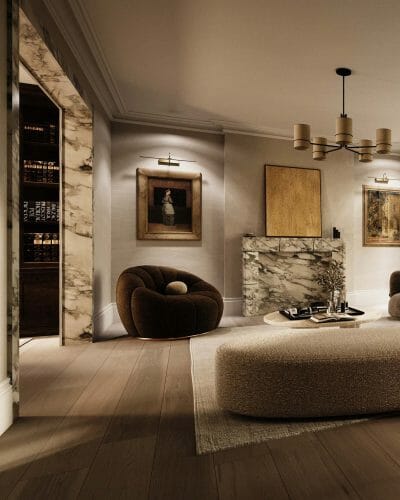
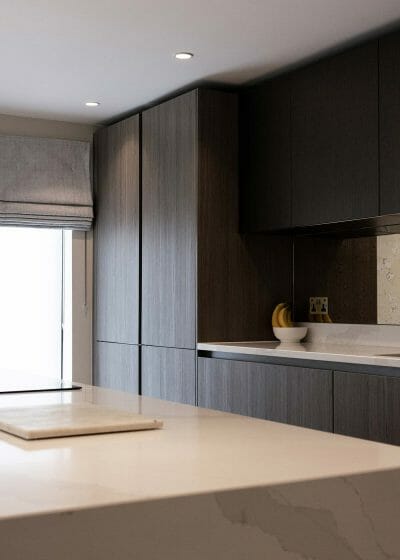
Basements can be attractive and it is key to consider light colours, clever interior design and appropriate finishes to make sure that a sense of space is established while creating an additional space that compliments the existing house.
We hope this article has given you useful insight into the planning process for a basement scheme. Please do not hesitate to
contact Christopher David Design if you would like some more help with your basement build – we’d love to know more about your ideas!