Do You Own Your Flat?
The likelihood of your flat being held under a leasehold agreement is high, whereby you are required to pay an annual fee to the freeholder for the upkeep of communal areas. Typically, your leasehold agreement may include a clause mandating prior consent from the freeholder before initiating internal renovations or extensions. Therefore, securing the freeholder’s approval is a crucial prerequisite before seeking planning permission for your flat extension.
Informing the Freeholder You Wish to Extend Your Ground-floor Flat
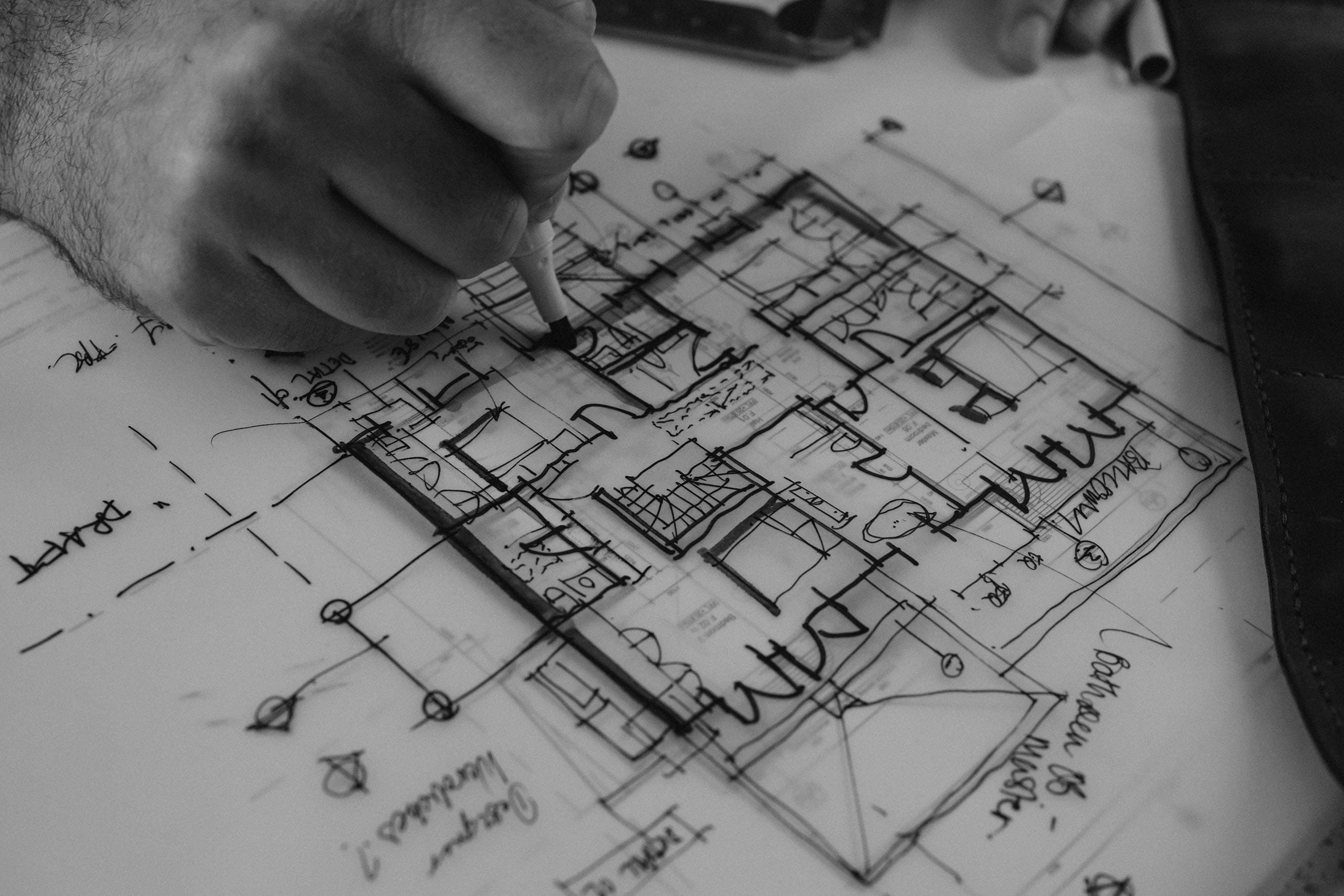
After drafting drawings and plans for your ground-floor flat extension with an Architectural Designer, you must submit them to the freeholder for approval.
This procedure will vary depending on whether the freeholder is an individual or a corporate entity. If the freeholder is an individual, you will have the option to negotiate directly with them for consent. However, if the freeholder represents a larger property entity, you will likely need to navigate a licence-to-alter process, which can rival the complexity of a formal planning application.
In the meantime, it is crucial to promptly notify other leaseholders in the building. By sharing the plans early and addressing any concerns they may have, you increase the likelihood of their support, ensuring a smoother planning process.
Creating and Finalising a Ground-Floor Flat Extension Design
Before you delve into the planning application procedure, it is essential to have a clear vision of what you aim to achieve with your new space. Christopher David Design can assist with the design process with our years of experience and deep understanding of extensions. Contact us for a complimentary consultation to discuss further.
Creating an optimal design that makes use of your existing layout is key to ground-floor flat extensions. Without doing so, there is a risk of the new extension not integrating well with the older structure, which can create disharmony in many ways.
Do Your Research for Planning Permission
If you are asking how to get planning permission for a ground floor flat extension, the answer you will often hear is that you must ‘do your research’. Planning permission is more difficult to obtain in the case of flats as mentioned. However, if you methodically approach the process, well-informed with knowledge, you will increase your chances of being approved.
Familiarising with the planning process
As part of your research, you should familiarise yourself with the planning application process. There is a wealth of information out there, including this guide, which can steer you in the right direction. Knowing about how best to prepare and the type of documentation you will need to submit is helpful.
The first step is to seek pre-planning application advice from your local planning authority to familiarise yourself with local policies and regulations. You can also research past planning applications in your area that are similar to yours. You can often find approved applications on the local planning authority’s website and analyse the types of developments that have been successful.
Listed building consent
If you live in a listed building or a conservation area, the planning permission process is going to be more complex and there will be more research involved. A ground floor extension in listed buildings requires careful planning to ensure that special architectural and historical significance is preserved.
You will need to obtain Listed Building Consent in addition to planning permission which involves carrying out a Heritage Impact Assessment, consultation with heritage experts and conservation officers, familiarising yourself with planning policies and guidance documents such as the National Planning Policy Framework and Historic England’s website guidance on listed building consent.
Remember, it is a criminal offence to carry out alterations to a listed building without planning permission. We recommend consulting with an experienced Architectural Designer or design studio, such as Christopher David Design, who can guide you through the process and what to expect.
Understanding permitted development rights
Many flat owners often wrongly assume that they can simply use their permitted development rights to alter or extend a ground-floor flat. Unfortunately, this is generally not the case.
It is important to note that flats and maisonettes are not covered by your permitted development rights, necessitating you to apply for planning permission for any alterations to your property. Additionally, since most flats are held under leasehold agreements, you may also need the consent of the freeholder depending on the nature of your project.
Impact on Neighbouring Properties
One of the biggest challenges many flat owners face when seeking to gain planning permission is considering the impact on neighbours and their homes.
You must consider the size of your ground-floor extension as part of your research as the lighting of a neighbour’s private garden can be affected, particularly in urban areas such as London. An Architectural Designer will help you to calculate this during the planning process. Again, we would advise that you consult with your local planning authority to understand the impact on neighbouring property during the research stages.