Architecture
21/Mar/2025
5 minutes

How to Find a Conservation Area

For many people owning a home in a conservation area, rich with heritage and history can be a dream they’ve longed for. However, the reality of residing in such a protected area does indeed come with additional responsibilities and potential challenges.

In this guide, we’ll walk you through how best to identify conservation areas and offer some key resources and advice. Whether you’re seeking to find a historic property to call home or you’re curious as to what options are available, the information below should prove valuable.

Our architectural expertise lends itself to properties of historic interest. Over the years, we have assisted our clients in bringing their design visions to life whilst guiding them through the planning process. If you’re interested in discussing your design project with us, contact us today for a free, no-obligation consultation.

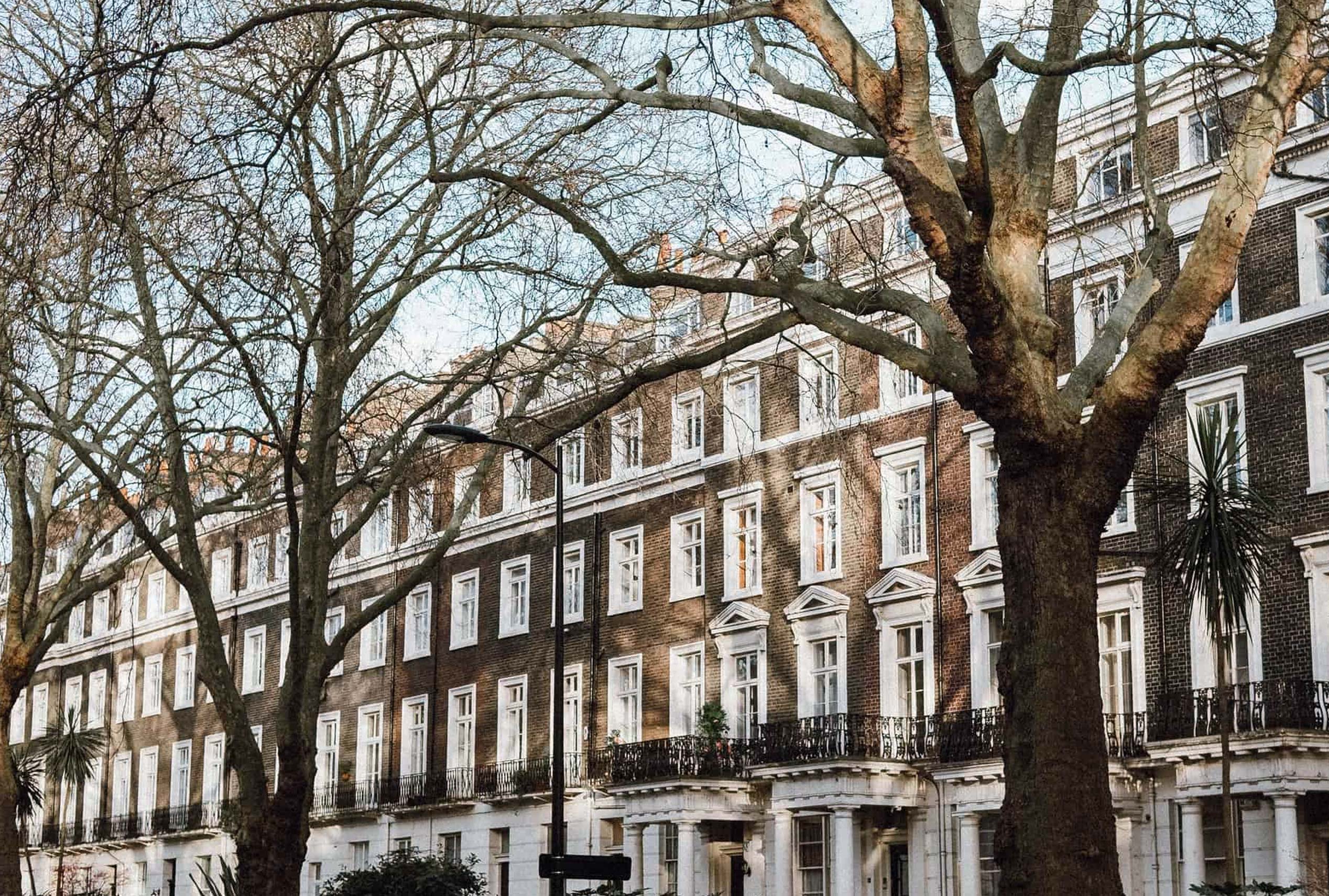
find a conservation area streetscape

What is a Conservation Area and How Can I Find Out More?

There are many reasons why you may want to find a conservation area. Or, perhaps you have a renovation plan or want to learn more about your permitted development rights.

Conservation areas are designated areas established by your local authorities. They are designated locations that are placed under protection due to their special architectural character and historic interest. Once officially recognised as a conservation area, anybody wishing to carry out permitted development in the area, must follow strict rules and regulations before building works can be initiated.

Conservation areas vary from listed properties to landscapes; there is no rule for what type of property or area is placed under protection. To find out more about what conservation areas are, you can read our full guide here.

How Are Conservation Areas Designated?

Conservation areas are designated carefully by local planning authorities, this involves city and district councils, with additional guidance from national heritage bodies such as Historic England. New conservation areas are established regularly in the U.K. with many holding significant architectural and historic value, surprisingly, however, 59% of conservation areas are open spaces, including parks and airfields, for example.

The conservation area designation process begins with a local council assessment that evaluates architectural importance and historic interest. Following this step, a public consultation takes place, allowing residents, businesses, and heritage groups to provide insightful input and opinions.

After this step, the conservation area can be established formally and specific planning controls are put into place to protect it.

How to Find Conservation Areas in the U.K.

There are a number of ways in which you can find conservation areas in your local area and the wider U.K. We’ve listed some helpful insights and tips to help you:

Start with local planning authority websites

Many local councils provide maps of conservation areas on their website, providing visitors to the site the opportunity to scope out any of these areas close to them. This is a good place to start and will no doubt provide further information.

Research using Historic England’s databases

Databases shouldn’t be overlooked – whilst the notion of reading through data may seem tedious, you will find information about conservation areas, past planning applications that were approved, management plans, and much more.

Check conservation area appraisals

Many councils publish detailed conservation area appraisals that outline details such as the boundaries, significance, and restrictions of each conservation area.

Search planning portals

We recommend that you search the government’s planning portals, another source rich with information and data regarding development controls across conservation areas.

Consult with an Architectural designer

Christopher David Design can provide information about conservation areas and planning permission. We understand the nuances of altering historic properties and have helped many clients carry out planning research and navigate restrictions.

Contact local heritage groups

The best way to learn about conservation areas is to speak to your local planning authority and engage with local groups. It is worth checking directly with locals as oftentimes they will be involved in development planning in conservation areas.

Living in a Conservation Area: What to Expect

There are around 10,000 conservation areas in the U.K., each protected to maintain historic interest for future generations. Therefore, living in a conservation area is a special opportunity and one to be taken seriously.

First and foremost, by residing in a conservation area, you are immediately responsible for preserving the architectural character of your home. This can look like restrictions on alterations, following rules such as the tree preservation order for any attached landscape and open spaces, and seeking permission for even minor adjustments to the original fabric of the protected site.

The good news is, if you live in a conservation area and want to voice your opinion to your local council, it is indeed possible. Many local authorities have advisory committees consisting of residents and business owners within conservation areas. You can find groups in your area by visiting www.civicvoice.org.uk.

The Benefits of Living in a Conservation Area

One of the most significant benefits of residing in a conservation area is the charm of historic properties such as listed buildings. Unlike other locations that may undergo rapid and sometimes unsympathetic development, conservation areas maintain their aesthetic appeal, helping to keep the value and desirability of properties high.

Another key benefit is the potential for increased property value. Due to their protected status and limited development opportunities, properties within conservation areas tend to hold their value better than those in unrestricted zones. Buyers seeking homes with historic charm often prioritise these locations, making them highly sought after in the property market.

Many conservation areas include parks, gardens, and scenic landscapes that enhance residents’ quality of life. Whether you’re drawn to the history, the community atmosphere, or the aesthetic appeal, living in a conservation area offers a unique and rewarding experience.

Conservation Area Design Process Next Steps

At Christopher David Design, we specialise in guiding homeowners through the complexities of conservation regulations, ensuring that your renovation or new build aligns with local planning requirements. From initial consultations to detailed design and planning applications, our team is here to help you bring your vision to life with ease and confidence.

Contact us today to learn more about our varied design services and how we can assist you in bringing your design vision to life.

Get in Touch...
We can help bring your project to life. Please leave us a message with project details, and we'll contact you to schedule a free consultation.
Schedule A Call or message us below:

More From The Journal

10 Steps to Success: Hiring an Architectural or Interior Designer
The Planning Application Process: Explained
Planning approval and building approval: What’s the difference?